AQUAS

An unmanned surface vehicle automating the monitoring, sampling, and eventual remediation of harmful algal blooms.

AQUAS LeadShining Wang

Monitoring water at scale

AQUAS is developed with the Goes-Gomez Lab at Columbia's Lamont-Doherty campus and supported by additional grant partners. Harmful algal blooms threaten human health, ecosystems, and economies.

Today's mix of manual sampling and lab work is laborious, costly, biased, and difficult to scale. AQUAS brings that workflow onto an autonomous platform.
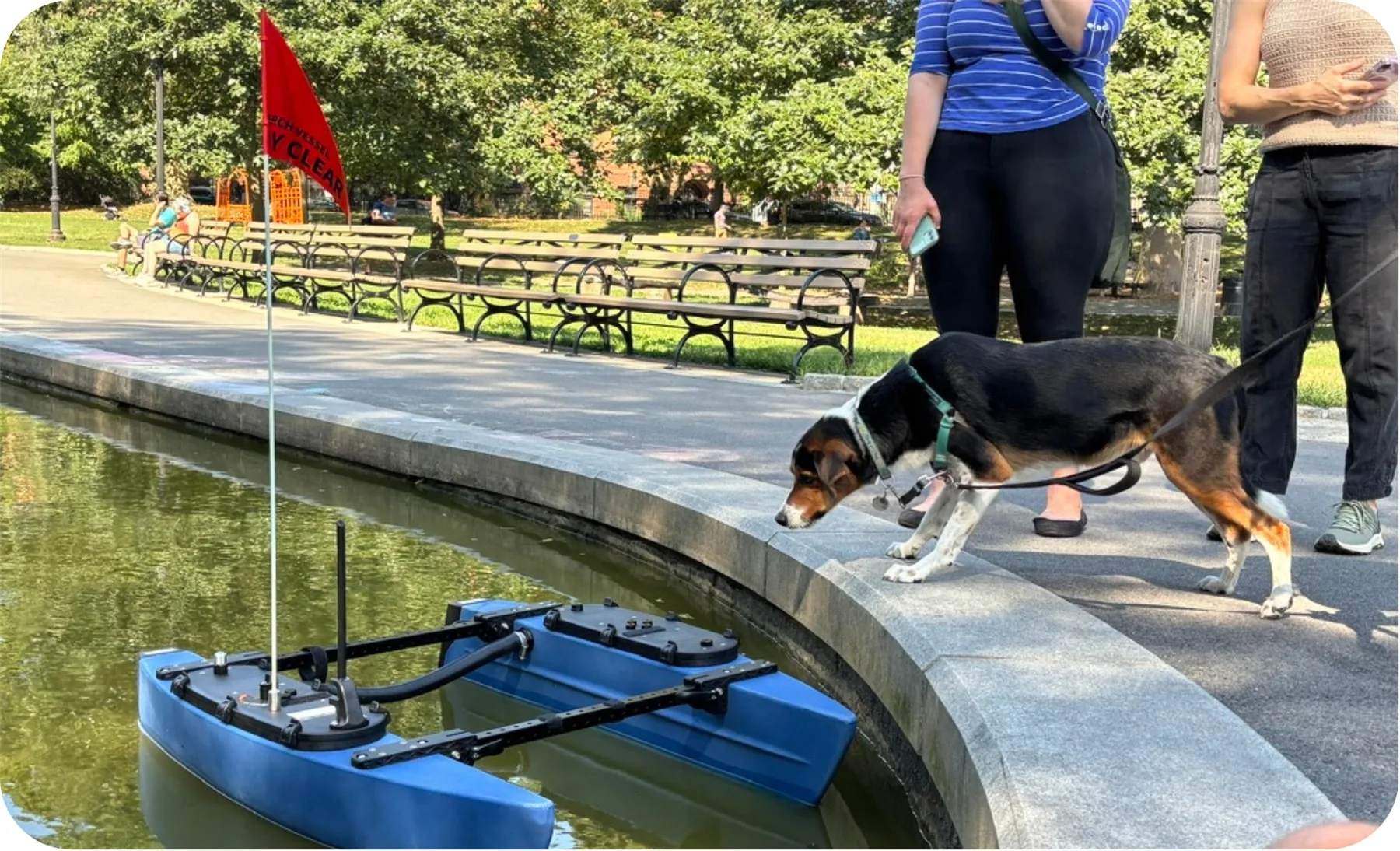
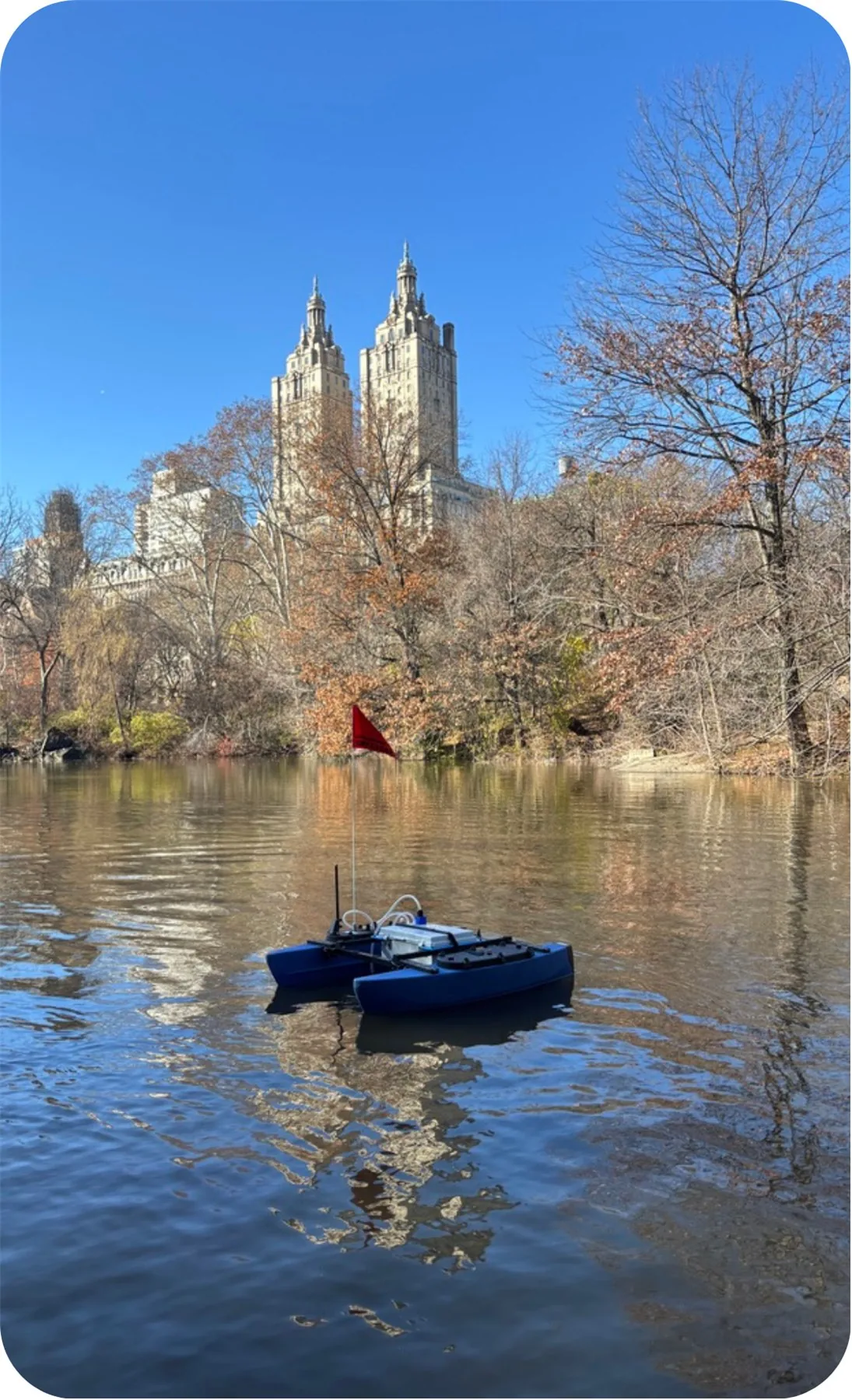
AQUAS unmanned surface vehicle being tested in a park pond
The AQUAS vessel during a field test

Collecting, prototyping, and iterating

The team is extending the system toward remediation and future monitoring of harmful bacteria, PFAS, and zooplankton.

Mechanical

Design payloads and their mounting systems, primarily in Fusion 360.

Electrical

Design PCB boards and plan the USV's electronics and wiring.

Software

Build backend, frontend, ML, UI/UX, embedded, data, and visualization systems.

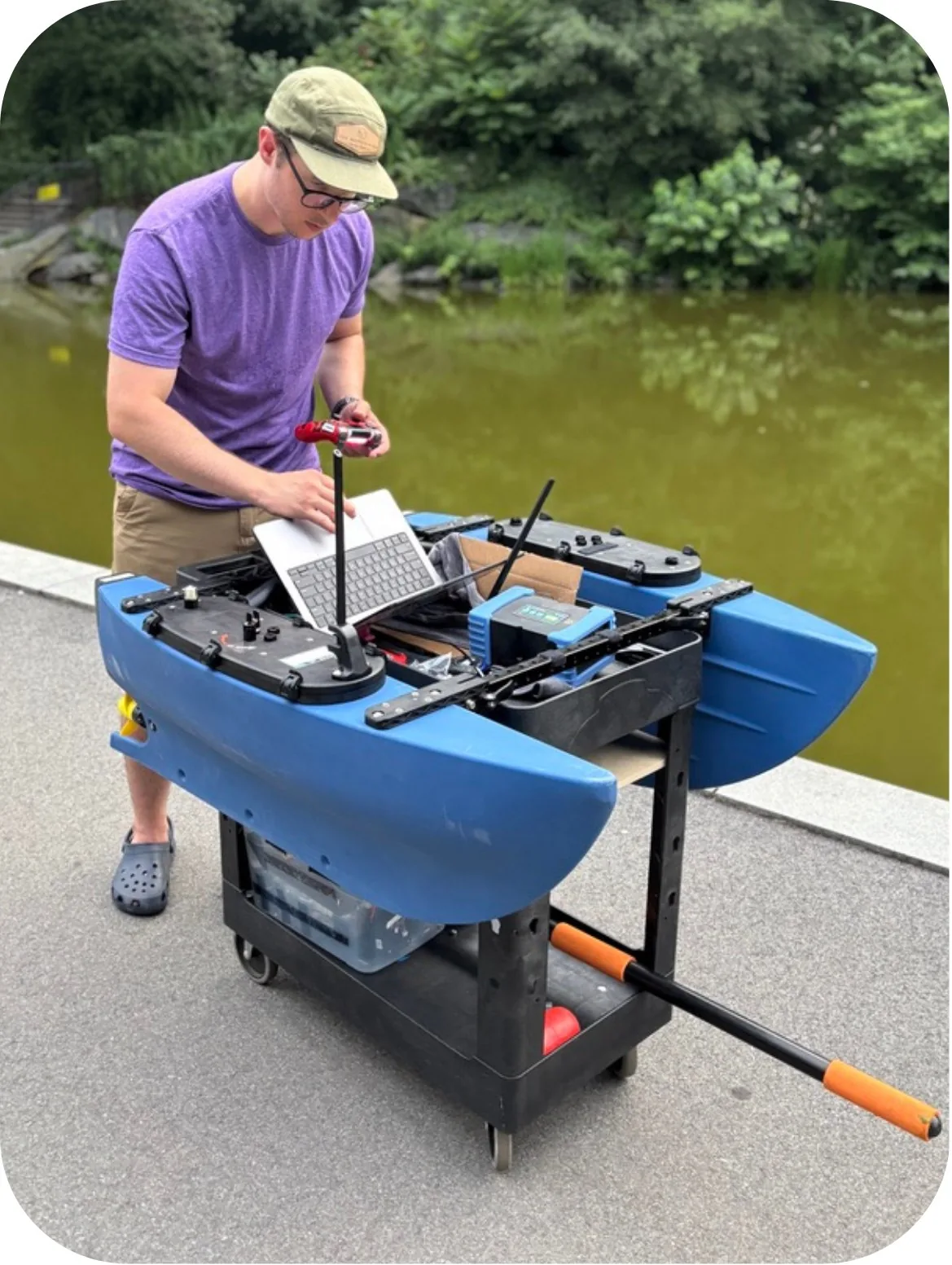
AQUAS team member preparing the vessel beside a pond
Preparing hardware and software for a field test

Designed for real communities

Because harmful algal blooms are increasing with climate change and fertilizer use, scalable monitoring matters especially in dense urban areas and desalination-dependent regions.

Members work on a long-term platform that leaves the lab and addresses environmental problems in the communities around them!

AQUAS vessel operating on a lake with New York buildings behind it
AQUAS operating in an urban waterway

AQUAS is open to everyone: no prior experience is necessary. Visit the AQUAS website to learn more!