CURC End-of-Year Wrap 2026
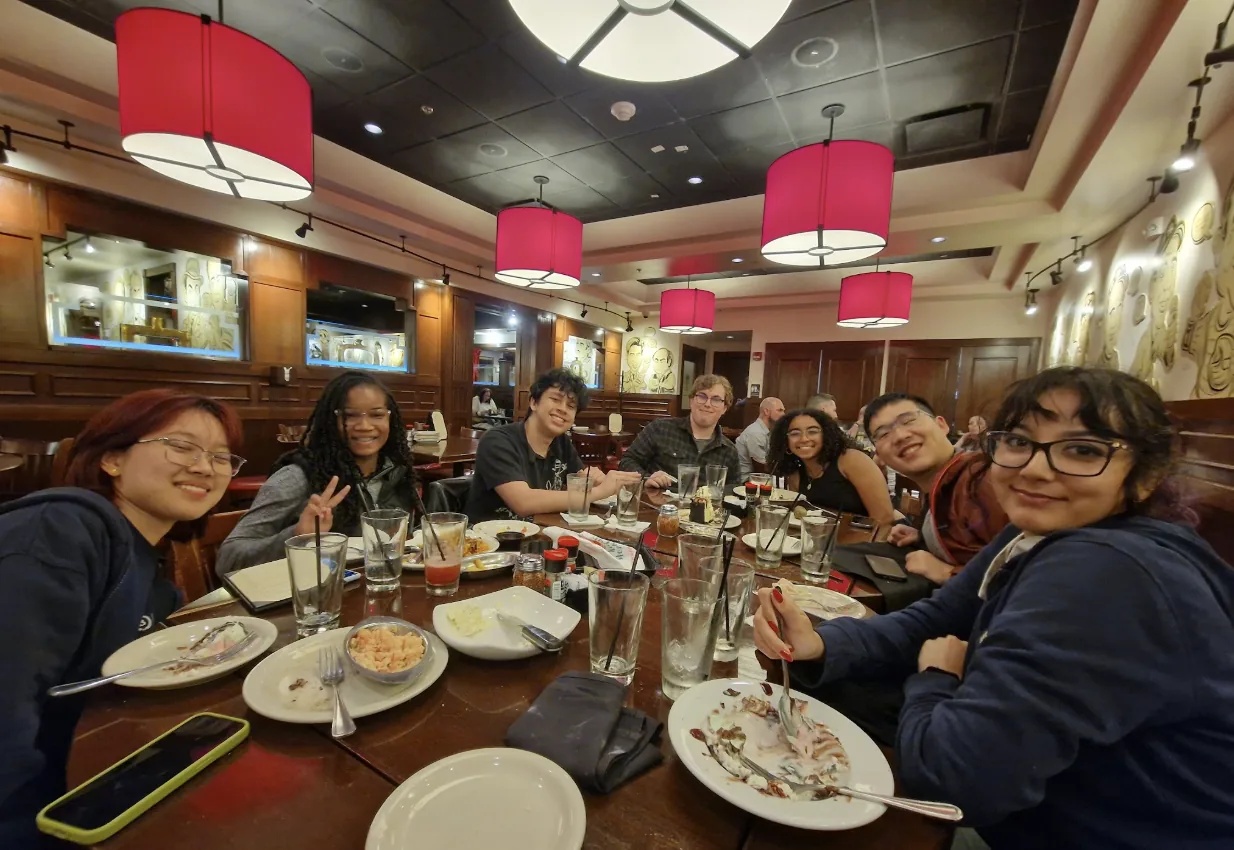
Welcome to CURC's end-of-year wrap. This year, members hosted RoboCONN 2026, rebuilt robots from the ground up, debugged autonomy stacks, soldered PCBs, and sent combat robots into the arena.
Who doesn't love some stats?
RoboCONN 2026
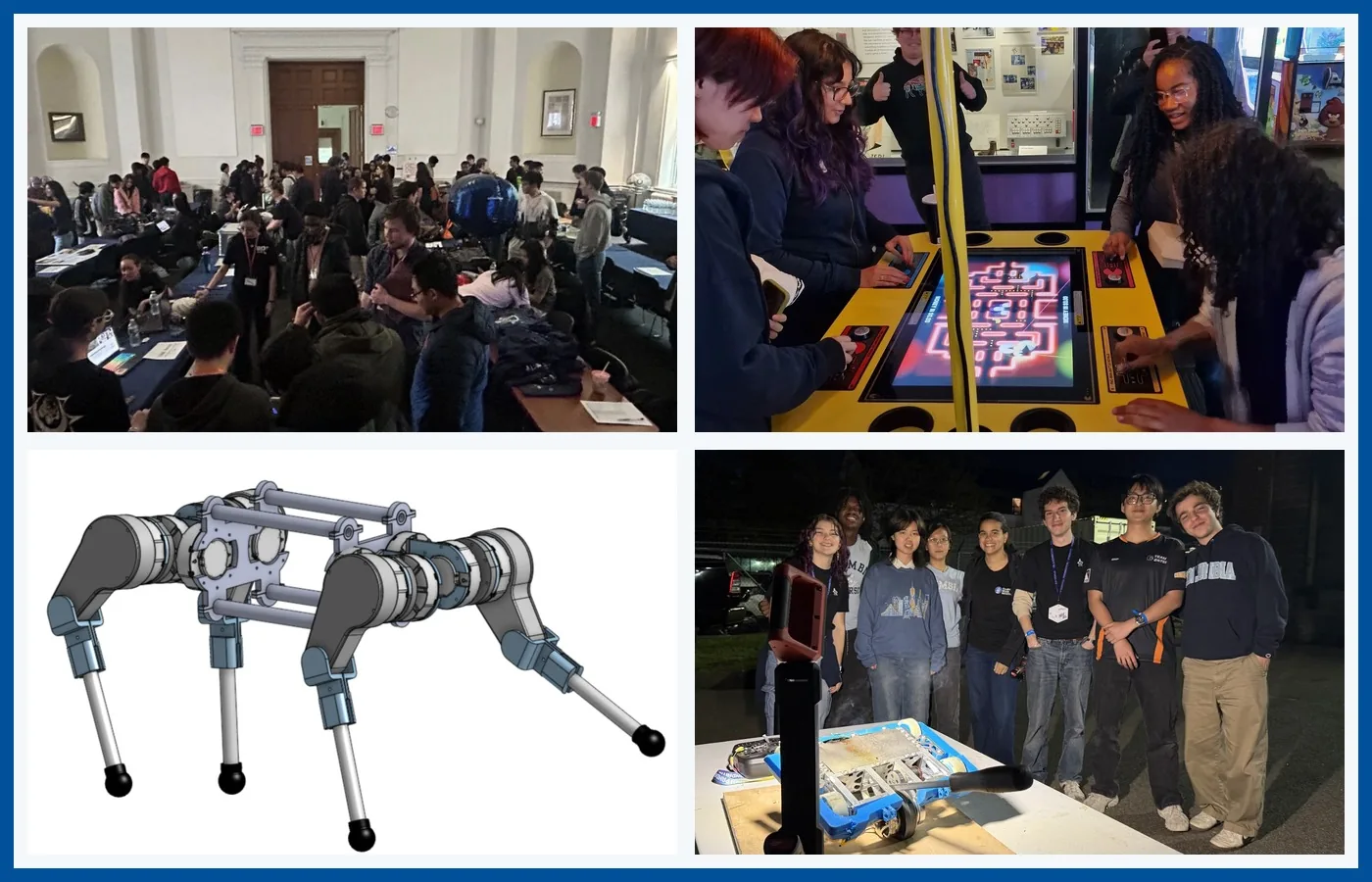
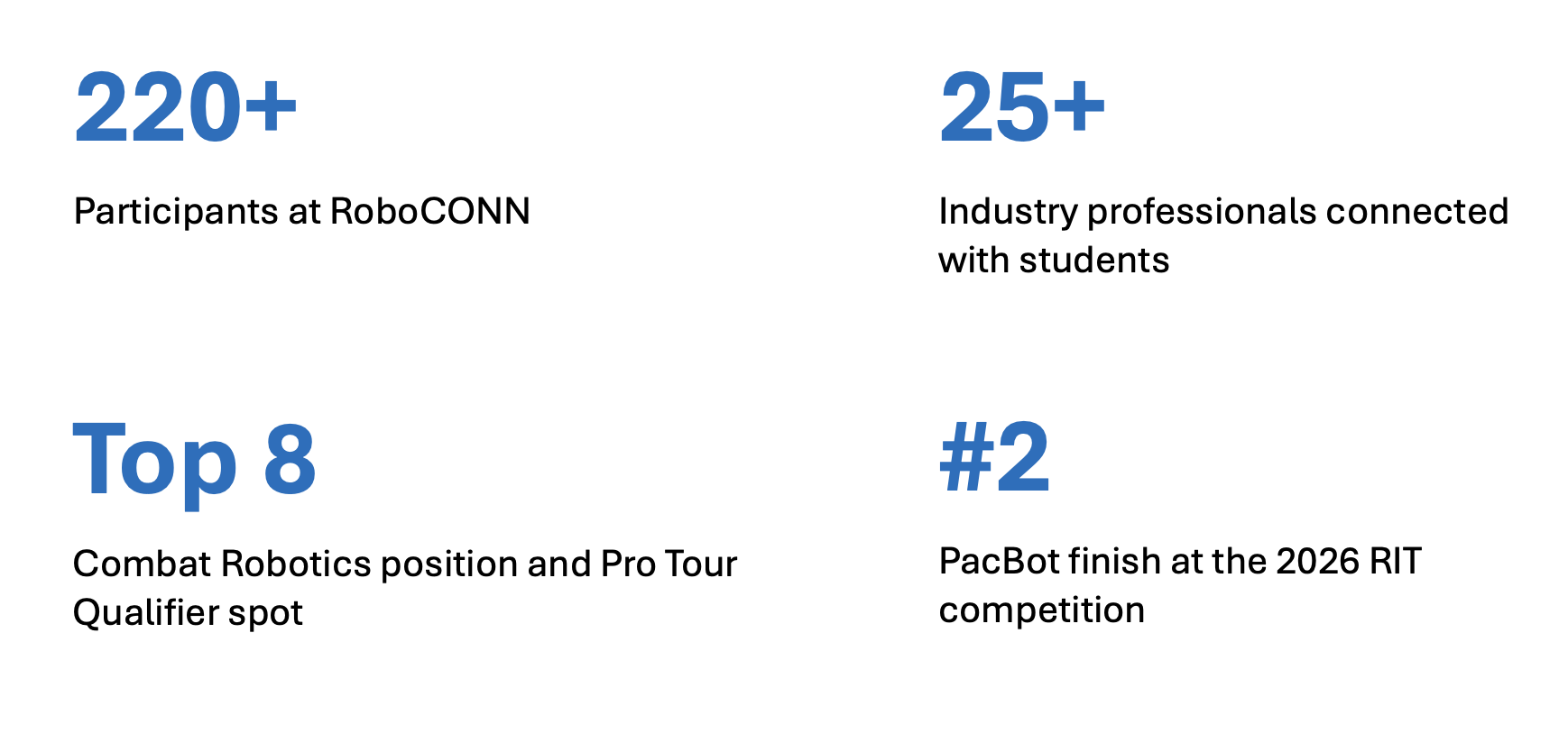
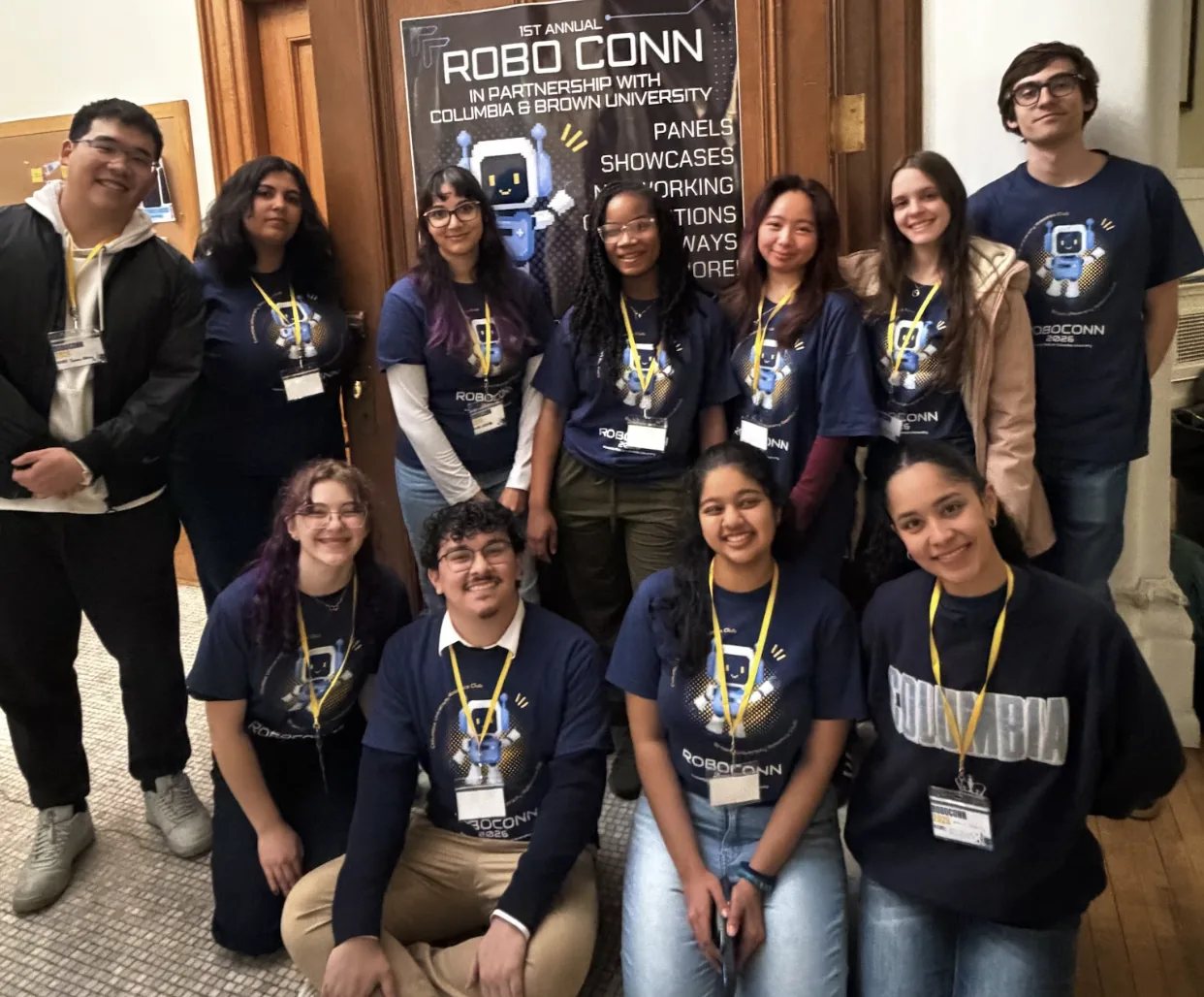
RoboCONN 2026 was CURC's undergraduate robotics conference and showcase, hosted on April 25 at Earl Hall. The event gave students access to the kind of learning, networking, and industry exposure that is often limited to much larger conventions.
For CURC, the win was not just running a major event. The team showed that students can build technical, welcoming, and genuinely useful spaces for the next generation of engineers.
PacBot
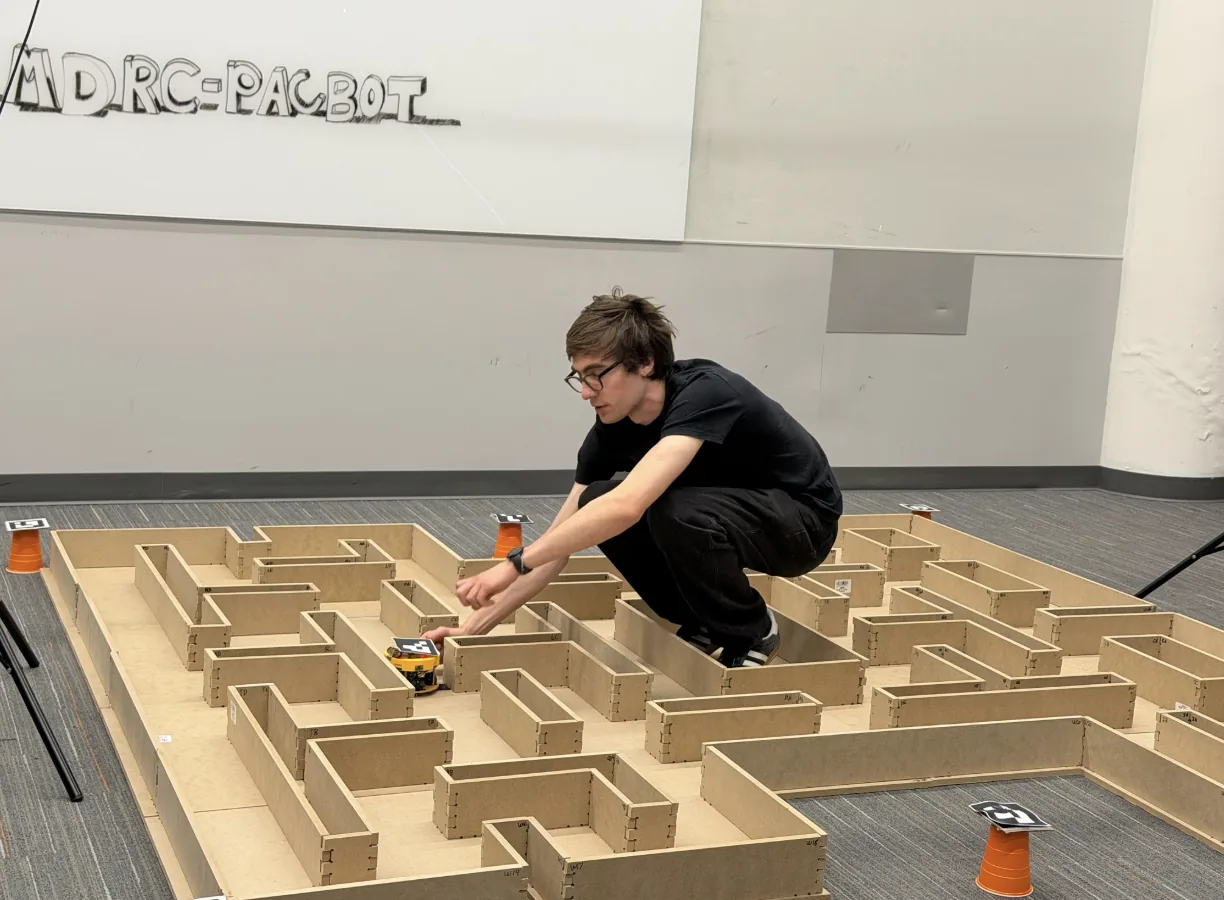
PacBot returned to the maze with a smarter, smaller, cleaner robot. After spending most of the year building a more compact design with better modularity and stronger components, the team turned lessons from last year's competitions into a second-place finish at the 2026 PacBot competition at RIT.
CCBR
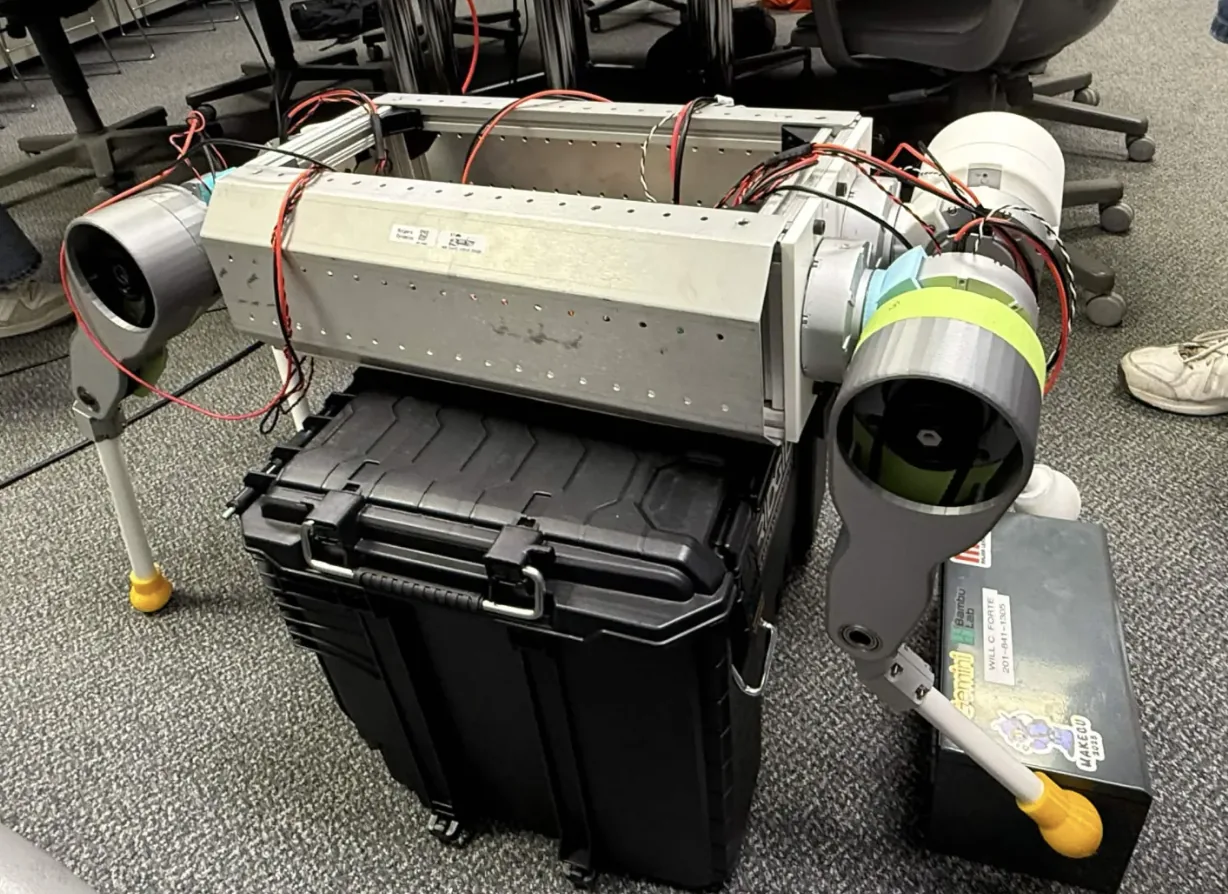
CCBR turned ambitious legged robotics into hardware. Over the year, the team constructed a quadruped robot from first principles, iterating on leg designs and building a chassis in collaboration with Rutgers and Caltech.
The finished quadruped is the team's first step toward a future humanoid robot: an open-source, modular platform built by students learning the hard parts together.
Roboracer
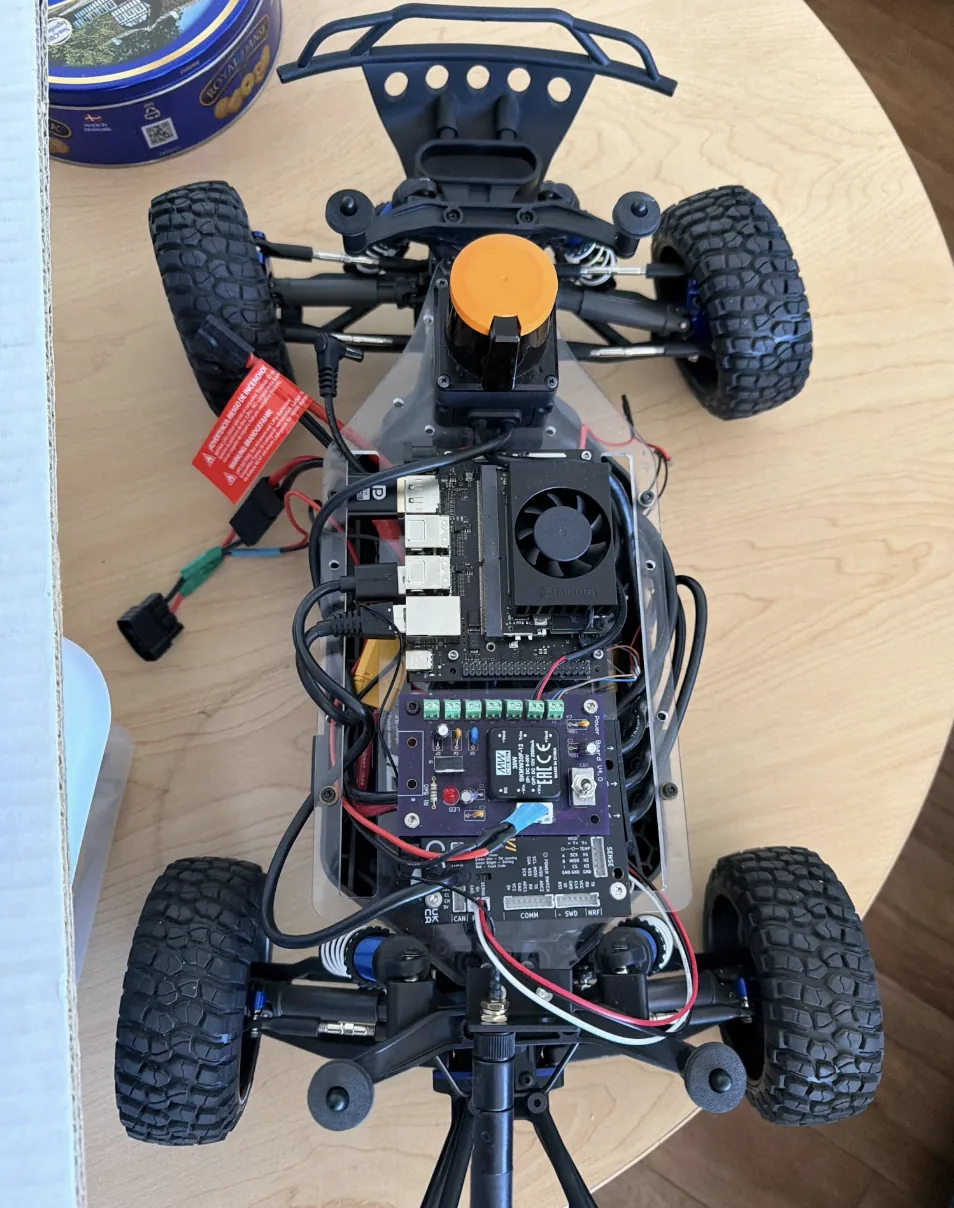
Roboracer focused on finalizing localization and path-planning systems, with localization working through SLAM Toolbox and AMCL alongside waypoint-based path planning. The team also built a custom web GUI for lighter-weight testing.
AQUAS
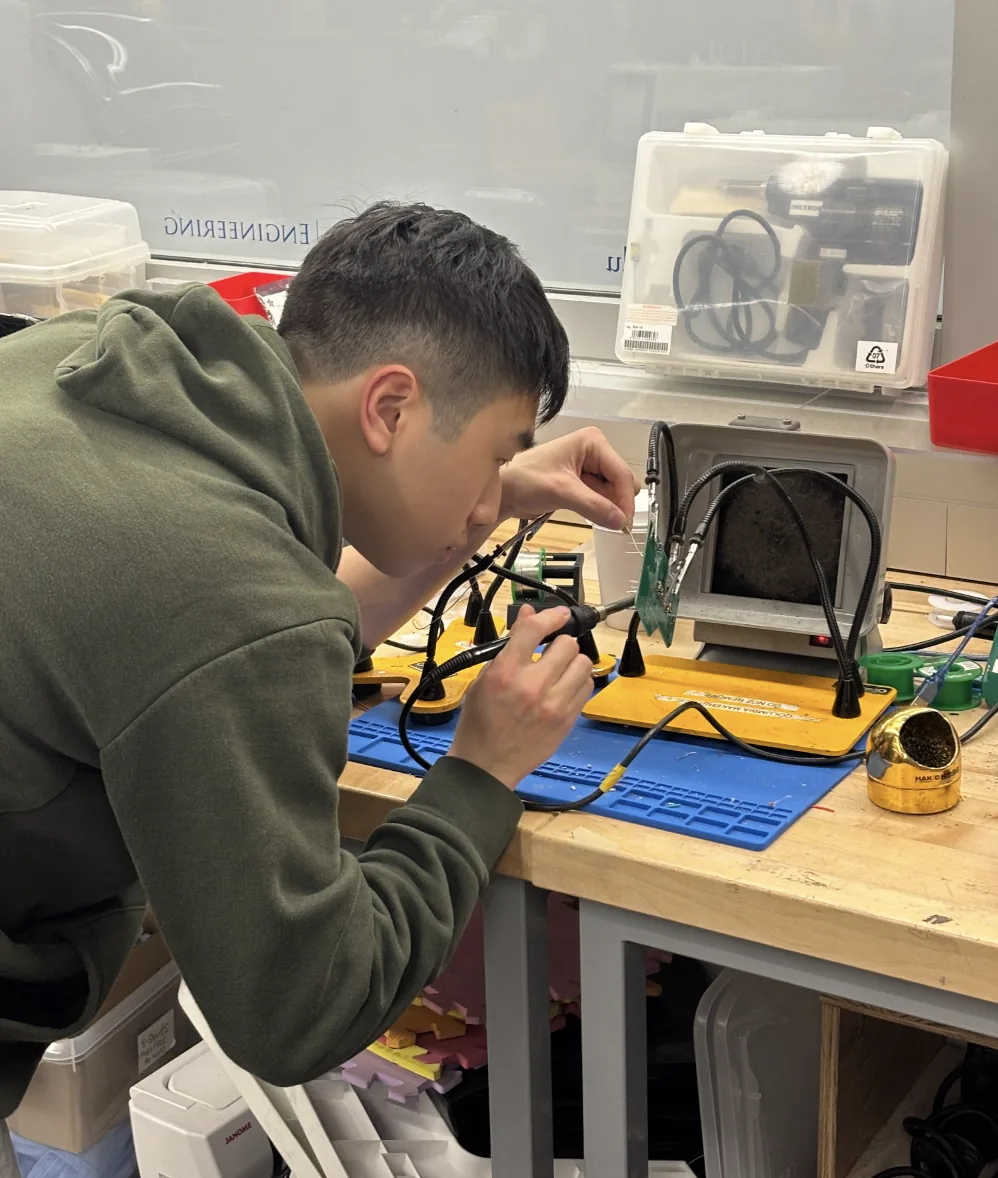
AQUAS refined its water-sampling and sensor-dashboard prototypes, started work on a treatment dispersal system, and began a microscopic species-detection model for an upcoming flowcam payload. The team also produced its first PCB, a power and solenoid board that tidies up the water-sampling electronics and makes the payload faster to reproduce.
Combat Robotics
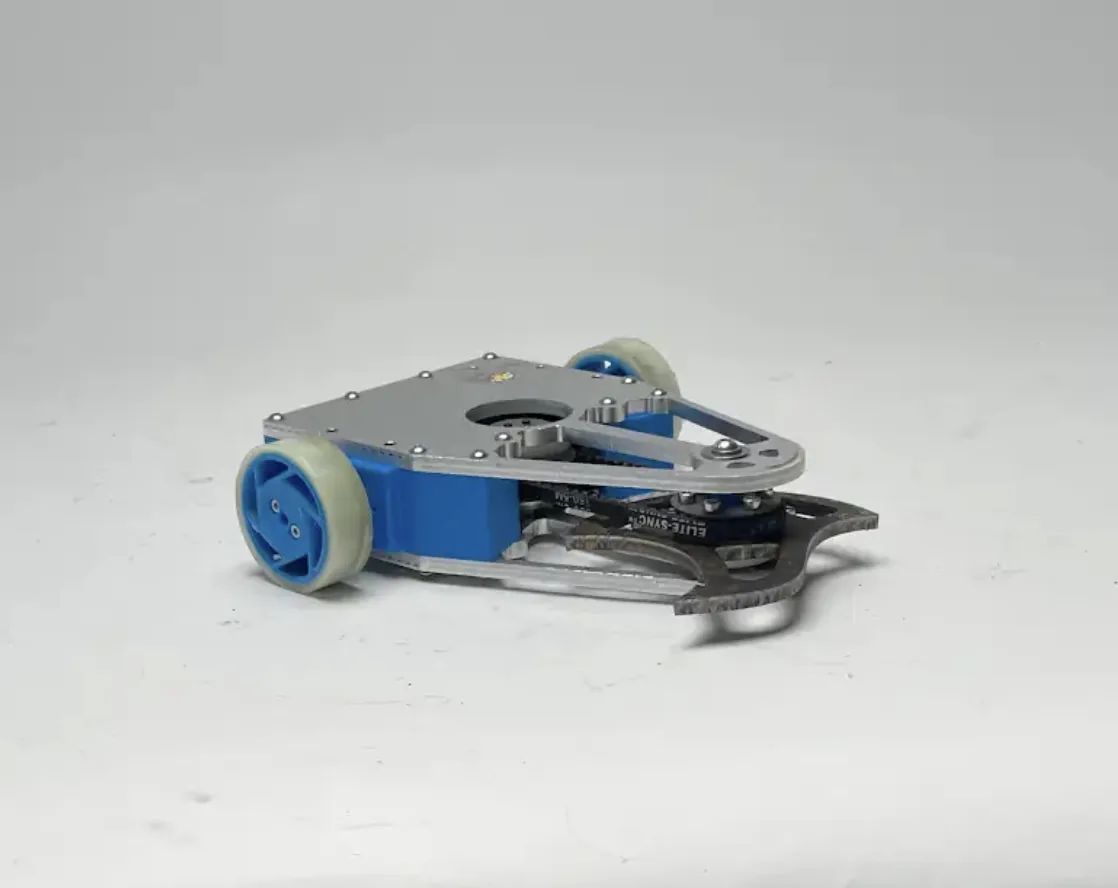
Combat Robotics had the kind of season recap that sounds like a sports movie with better weapons. ROAR-E struggled early, going 0-2 in October, then came roaring back in May to finish in the top 8 and earn a qualifying spot on NHRL's Pro Tour.
The team also built Tiny Tim, a 3 lb robot that came down to the wire, made it into the arena, and won a match. Next up: summer qualifiers, the Pro Tour, and an even bigger bench of bots, which could include more 3 lb robots and possibly a 30 lb build.